


Rituals and Traditions
Every family, culture, faith and group will have their own ways of marking significant life events and rites of passage. They draw on shared experiences and create links with the past, present and future.
These may be recognised by thousands or something that is shared more intimately within a small group. However well known or obscure, they bring meaning, fun and a little bit of theatre to an occasion.
They are wonderful ways of uniting couples from different backgrounds, or simply reflecting a person's interests and personality. If you would like to involve particular guests in your ceremony, these can be the perfect way to do so.
Here are just a few examples of rituals and traditions, but why not adapt them, combine them or even create your own!
Sand ritual

Different coloured sand is poured into a glass jar/bottle. The colours can be chosen for their symbolism and are poured to symbolise the mixing of two people. It can be adapted in many ways including using several colours poured by other guests including perhaps the couples children.
Handfasting

This is the origin of the phrase 'tying the knot' and is both symbolic and entertaining. Different colour ribbons or cords are chosen to reflect the couple's personalities and backgrounds. They are then wrapped around the couple's wrists and tied in a special knot to symbolise their joining together and the security of their vows. A wonderful keepsake too.
Mandalas

The word 'mandala' simply means 'circle' in Sanskrit and is usually a geometric design that symbolises the wider universe or a sacred space. They can be created from natural materials and then left to fade away in time. These are perfect for outdoor ceremonies and work well for weddings and funerals.
Spice

This tradition gets its roots from the Middle East. Blending spices to demonstrate a healthy and well-balanced marriage – it is a good fit for cultural reasons, or for couples who enjoy cooking. Spices can be chosen for their symbolism or simply because they are liked. The new spice blend can even be shared with guests as wedding favours later in the day!
Water

Water can be used in a variety of ways and is often used as a symbol of a clean start in life. It can be as simple as the sprinkling of water over the couple (or even over the guests) to a theatrical colour changing that transforms when the liquids are combined.
Bread breaking
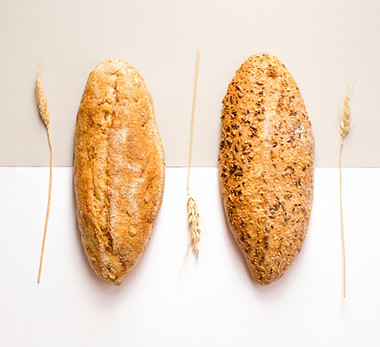
Rituals using bread are particulalry common in Eastern Europe. Bread can be made in advance by certain guests such as grandparents and then broken and shared between the couple. Sometimes additional flavours can be added to symbolise their future life together such as honey for prosperity, salt for challenges and oil for blessings.
Jumping the broom

A well known tradition that involves a couple 'jumping' over a broom to symbolise the sweeping away of the past and a clean 'sweep' towards the future together. This brings an opportunity for the broom to be decorated and brought into the ceremony by a 'broom bearer'. The broom can then be kept, displayed or used as part of future family celebrations.
Candles

The use of candles and light is a familiar aspect of many celebrations in a range of traditions and faiths. The flame representing the light of a couple's love and the hope for a bright future for a couple or a child (naming ceremony). It can be adapted to suit individuals in different ways including two smaller candles being lit by representatives of the two families and then these being used by the couple to affirm their vows and promises to each other.
Cocktail making

For those looking for some extra fun and individuality, a new cocktail could be designed for the happy event. At the ceremony, the couple mix together the ingredients whilst having the reasons for their choice explained to the guests. The drink could then even be served to all the guests later in the day's celebrations. Lots of fun to plan for this in advance of the big day!
Painting

For a creative touch, a piece of unique art could be created within the ceremony. This could involve pouring different colour paint onto a blank canvas and letting them drip and mix together. This symbolises different aspects of their new lives together with some colours mixing and creating new ones, some remaining separate and independant and some areas remaining as a blank canvas to represent the unknown future ahead.
Tea

This ritual has its roots in China where it is usually performed before or after a wedding ceremony. This works well for smaller numbers of guests and is a wonderful way of the couple welcoming their families to unite. Once the tea is made it is then offered by the couple to their opposite families.
The Quaich

The Quaich ritual is an ancient Scottish and Irish tradition which seals the bond of two people and marks the blending of families. The Quaich (pronounced K – wai – Che), is a two handled silver coloured shallow cup or bowl. Some couples chose to engrave the cup with personal messages such as wedding date and names. The Quaich is filled with a drink (anything from tea to tequilla, cola to champagne!) and then the couple drink from it. It could also then be offered to other guests such as parents, grandparents or special guests.
Colour theory
You will probably spend a lot of time discussing and choosing a colour theme for your ceremony.
Did you know that colours have meanings behind them?
Click below to see a few descriptions of their meanings and attributes.
But of course, you may simply have a favourite colour theme to start with.
